
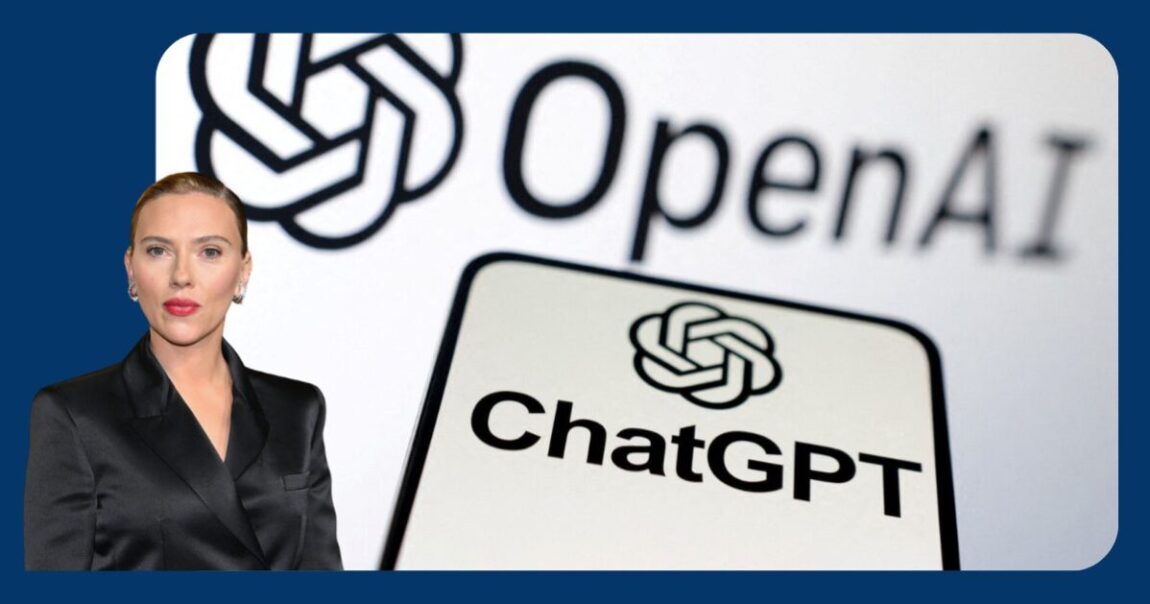
A recent case involving actress Scarlett Johansson highlights the legal complexities of AI. Media reports detailed an incident where Johansson declined a request from OpenAI. They wanted to use her voice for their ChatGPT system. Despite her refusal, allegations suggest that OpenAI used her voice for one of its personas, “Sky.” Johansson complained, leading OpenAI to pause the use of this voice persona. This situation highlights a growing issue where AI technologies utilize human likenesses without explicit permission.
This is not an isolated case
This controversy is not an isolated case. A cohort of prominent authors, including John Grisham and George R.R. Martin, has filed a class-action lawsuit against OpenAI, claiming their books were used to train ChatGPT without authorization. This lawsuit underscores the broader issue of AI systems absorbing and utilizing creative works, sparking debates on the legal implications of such practices.
It is evident that celebrities and authors have legal protections available, primarily through the “right of publicity.” This legal principle allows individuals to control and profit from the commercial use of their name, image, likeness, and voice. A landmark case in 1988 saw Bette Midler successfully sue Ford Motor Co. for using a sound-alike in a commercial after she declined their request, setting a precedent for protecting voice likenesses.
The need for clearer regulations
Johansson’s situation and the broader concerns raised by authors illustrate the pressing need for clearer regulations. Johansson has advocated for federal regulations to protect against the misuse of personal likenesses, a sentiment shared by many legal experts. The introduction of the No Fakes Act of 2023 seeks to address these concerns by providing federal protection against the commercial exploitation of individuals’ likenesses and safeguarding privacy against harmful deepfakes.
Distinguishing between legitimate artistic expression and violations of privacy and publicity rights often hinges on whether the use is commercial and whether it includes transformative elements that might qualify for First Amendment protection. This distinction is crucial in determining the legal outcomes of such cases.
Use of copyrighted works in AI training
Regarding the use of copyrighted works in AI training, UVA Law professor Dotan Oliar highlights in an interview with Josette Corazza for UVA Today that the legal framework is still developing. The central question is whether training AI on copyrighted works constitutes a violation of authors’ rights. Some argue that this could be defended under the doctrine of “fair use,” but this defense is not universally accepted, especially when AI outputs are nearly identical to the original works. To mitigate legal risks, a practical approach emerging in the industry is for copyright holders to license their works to AI developers.
For individuals seeking to protect their likeness and intellectual property, proactive measures are essential. Monitoring for infringements, issuing cease-and-desist letters, and registering works with the U.S. Copyright Office are effective strategies. Johansson’s proactive stance in her case with OpenAI demonstrates the importance of vigilance. Taking prompt legal action to enforce one’s rights is also important.
The issues surrounding Johansson and the authors’ lawsuit against OpenAI reflect broader challenges. These are at the intersection of AI, intellectual property, and personal rights. These instances highlight the legal complexities of AI. As AI technologies continue to evolve, so too must the legal frameworks. They govern their use to ensure that individuals’ rights are protected in this new digital landscape.
