
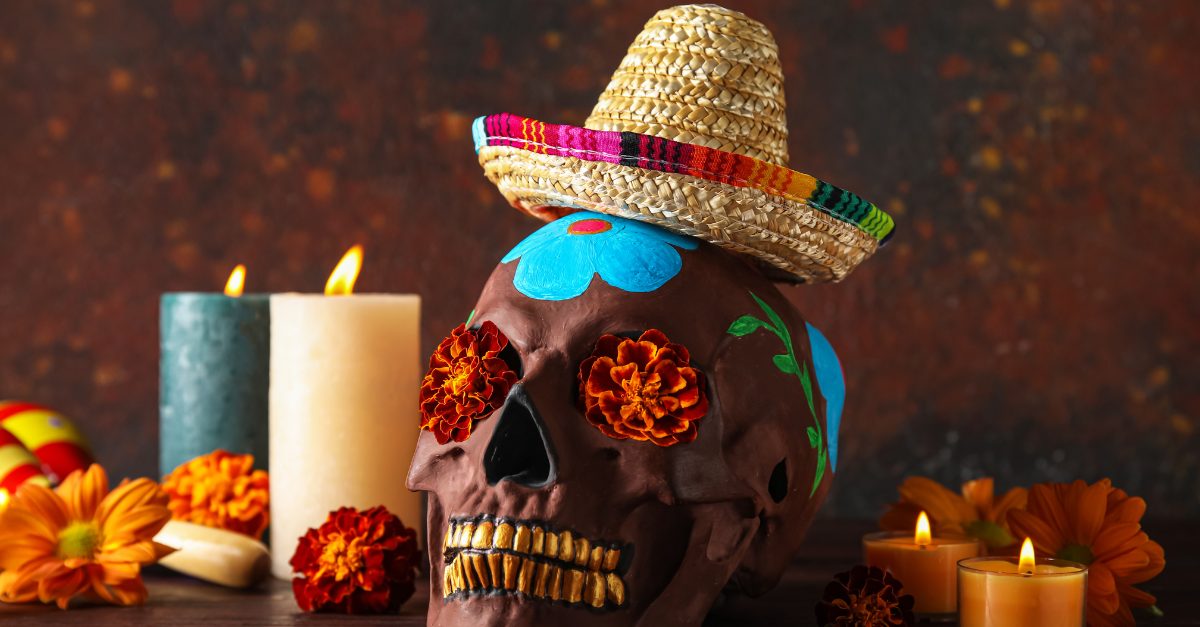
Although it may appear somewhat eerie, every year in Mexico the Day of the Dead is commemorated, primarily on November 1st and 2nd. These dates constitute a time to pay homage to and remember loved ones who have passed away, grounded in the belief that during these days they return to our earthly realm to visit and gently coexist among the living.
This celebration represents a living manifestation of Mexican culture, expressed in numerous forms: in the architecture of altars adorned with papel picado and marigold flowers, in visual arts and traditional crafts that embellish streets and homes, in popular literature such as the renowned calaveritas, in music, rituals, and of course, in gastronomy, particularly in traditional pastries like pan de muerto.
In the legal field, Mexico has developed regulatory guidelines to protect traditional cultural expressions under intellectual property law. However, these do not always fit into conventional categories such as trademarks, patents, or copyrights due to their nature. The Mexican Institute of Industrial Property (IMPI), along with other authorities, works to prevent the misappropriation and commercial use of Day of the Dead symbols without community consent.
During this time of year, seasonal marketing strategies flourish. Brands from sectors such as fashion, decoration, entertainment, and food embrace the imagery of the celebration — catrinas, papel picado, sugar skulls, marigolds, and traditional colors — as part of their collections and campaigns.
But then, how do we protect what defines us?
Any incorporation of Day of the Dead elements into artistic works, products, or advertisements must be rooted in respect. Recognizing cultural context and engaging with local authorities and IP professionals ensures ethical collaborations, protection of intangible assets, and fair compensation.
